
Tired of tequila? Over mezcal? This lesser-known Mexican agave spirit offers a completely different way to experience Jalisco’s centuries-old tradition.
Tequila has become a global icon.
Mezcal has earned a reputation as the adventurous drink of choice among craft cocktail enthusiasts.
But there is another Mexican agave spirit quietly gaining attention—and it may be the next great discovery for curious drinkers.
Meet raicilla (pronounced rye-SEE-yah).
For centuries, this small-batch spirit remained relatively unknown outside the mountains and coastal regions of Jalisco, Mexico.
Today, bartenders, collectors, and spirits enthusiasts are beginning to appreciate raicilla for what it is: a unique expression of Mexican craftsmanship, history, and terroir.
The Long History of Raicilla


6
The story of raicilla reaches back further than modern Mexico itself.
Some historians believe it originated in the 17th century in San Sebastián del Oeste, a historic mining town located high in the mountains of Jalisco.
Others suggest the spirit is even older, with its name changing during the 18th century when producers attempted to avoid taxes imposed by Spanish authorities.
For much of its history, raicilla was considered a rustic homemade spirit—sometimes even described as Mexico’s version of moonshine.
That perception began to change in 2019, when raicilla received Denomination of Origin (DO) status from the Mexican government.
Since then, producers have gained greater recognition, and interest from collectors, bartenders, and spirits lovers has grown significantly.
What Makes Raicilla Different?
Like tequila and mezcal, raicilla begins with one essential ingredient:
Agave.
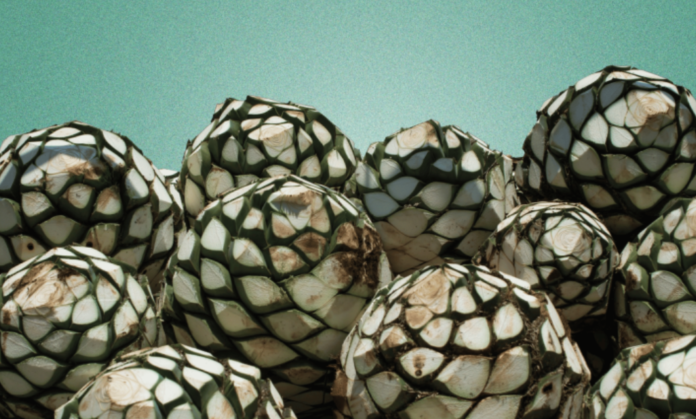
The piñas—the heart of the agave plant—are traditionally cooked, often roasted in stone ovens, before being fermented and distilled.
The process may involve clay or copper stills, depending on the producer and regional tradition.
Technically, raicilla belongs to the broader family of agave spirits, similar to mezcal.
But its personality is completely its own.
While many mezcals are known for their strong smoky character, raicilla is often more:
- Floral
- Herbal
- Vegetal
- Aromatic
- Earthy
Its flavor is heavily influenced by where and how it is produced.
The coastal expressions often have brighter, drier profiles, while mountain varieties can deliver deeper and more complex flavors.
Because raicilla can be made from multiple wild and cultivated agave species, every bottle tells a different story.
Some expressions are surprisingly funky, offering unusual savory notes that adventurous drinkers may even compare to aged cheese or fermented flavors.
Why Bartenders Are Paying Attention
The rise of craft cocktails has helped introduce many consumers to unique spirits, and raicilla is becoming one of the most exciting ingredients behind the bar.
Much like mezcal’s introduction to American drinkers years ago, raicilla is slowly moving from a regional specialty into modern cocktail culture.
At Lolita in New York City, head bartender Carlos Kennedy-Lopez uses raicilla as a rum alternative in a swizzle cocktail, highlighting the spirit’s bright fruit and citrus characteristics.
According to bartenders experimenting with raicilla, its rich body and complex flavors make it especially interesting in spirit-forward cocktails.
At Seven Spirits in Austin, Texas, bar manager Chance Royce uses raicilla in drinks such as:
- Raicilla Old Fashioned
- Raicilla Negroni with tamarind
Its savory depth creates cocktails that feel more layered and unexpected than traditional versions.
Why Raicilla Is Gaining Popularity
The growing interest in raicilla follows a larger movement happening across the spirits world.
Consumers are becoming more curious.
They are looking beyond familiar brands and exploring:
- Small producers
- Traditional methods
- Regional spirits
- Authentic craftsmanship
According to spirits professionals, the popularity of agave-based drinks has encouraged people to explore deeper into Mexico’s diverse spirit culture.
Tequila opened the door.
Mezcal expanded the conversation.
Now raicilla is inviting people to discover what comes next.
3 Raicillas Worth Exploring
1. Las Perlas Raicilla de Costa
Produced near the coast, this expression represents the brighter side of raicilla.
Expect flavors of:
- Melon
- Green pepper
- Light smoke
- Mineral notes
The spirit reflects the influence of wild coastal agaves and features a smooth character created through a unique copper still that incorporates a hollow tree trunk.
It is a great introduction for drinkers who want something complex without being overwhelming.
2. Estancia Raicilla Pechuga
A more limited seasonal expression, Estancia Raicilla Pechuga offers a richer and rounder profile.
Made from mountain-grown Maximiliana agave, this version undergoes a third distillation process that incorporates:
- Turkey breast
- Roasted pumpkin seeds
- Fresh hibiscus
- Quince
The result is less about smoky intensity and more about savory complexity.
It is a fascinating example of how traditional producers continue to experiment within the category.
3. La Venenosa Raicilla Sierra del Tigre
For experienced agave spirit drinkers, this is the adventurous choice.
Made with a wild agave variety known locally as Bruto, this expression delivers bold and unconventional flavors.
Distilled in a ceramic still, it offers powerful aromas and distinctive notes that may remind some drinkers of aged cheese or fermentation.
This is the bottle for mezcal enthusiasts who believe they have already experienced everything agave spirits have to offer.
Final Thoughts: The Next Great Mexican Spirit?
Raicilla represents something increasingly rare in the modern spirits world.
A drink with history.
A drink with regional identity.
A drink that has not been shaped entirely by mass production.
For travelers visiting Jalisco, discovering raicilla offers a deeper connection to the region’s culture.
For cocktail lovers, it provides a new ingredient full of possibilities.
And for anyone tired of drinking the same familiar spirits, raicilla might be the perfect reminder that some of the most exciting discoveries are still waiting to be made.